September 10, 2025
'Nudging' Helps STEM Students at 2-Year Colleges
Personalized text nudges from Persistence Plus are helping community college STEM students—especially for adult learners and students of color—stay on track.
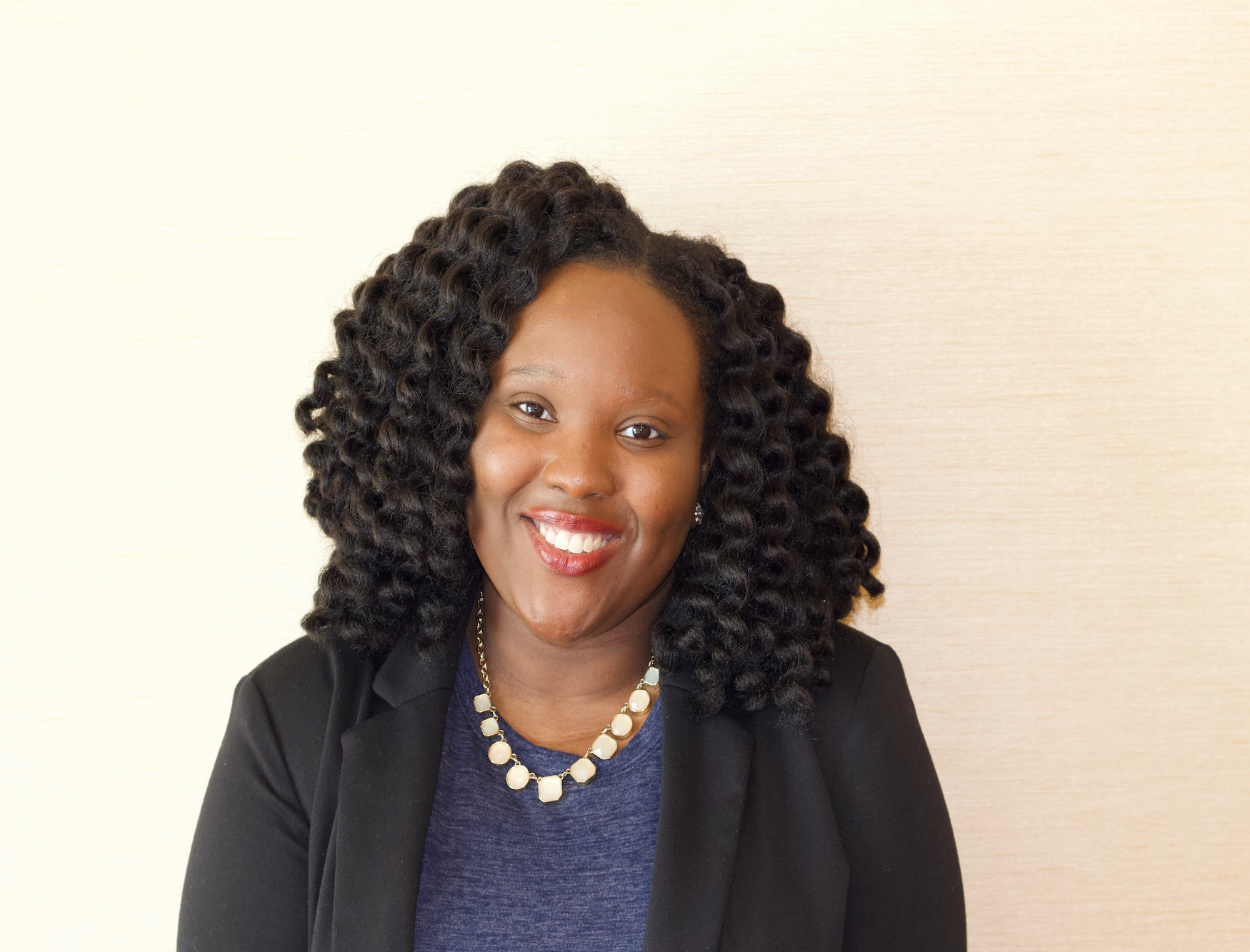
Serena Fahnbulleh Crain
About

5 min read

Personalized text nudges can boost STEM student persistence in community colleges by a significant margin.
The intervention showed strong effects for historically underserved groups (students of color, adult learners) and highlighted the importance of asking about students’ lived experiences.
Participation in the nudging program was voluntary, and three of the four colleges involved plan to continue using nudging strategies.
A behavioral “nudging” campaign run by Jobs for the Future in partnership with Persistence Plus targeted nearly 9,500 STEM students at four community colleges. The program delivered personalized text messages asking about students’ needs, encouraging persistence, and normalizing academic worries. Results showed that 72% of students who subscribed to the nudges persisted after the first semester, versus 56% of non-subscribers. For students of color, persistence was 62% with nudges vs 46% without; for students age 25+, it was 64% vs 44%.
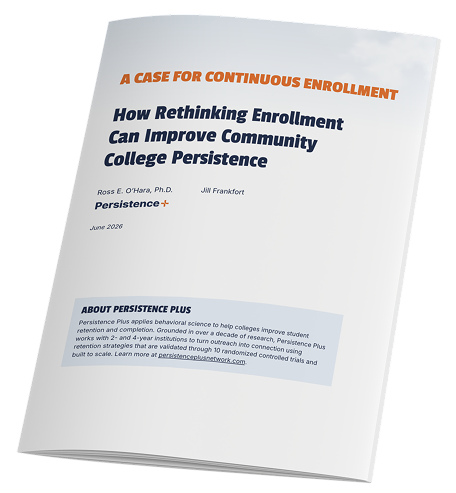
Read how working with Persistence Plus helped community colleges turn behavioral nudging into measurable student success.
Subscribe to our newsletter
Stay updated on our latest posts and research-backed insights.


























Serena Fahnbulleh Crain
Senior Director of Partner Success
Serena oversees Persistence Plus’s partnerships, collaborating with college administrators and staff at Ohio University, Stark State, and others to increase student success and retention across settings, contexts, and student populations. She frequently presents to college audiences and she has led workshops about addressing student challenges using behavioral science since 2017. A former admissions director at University of the Sciences in Philadelphia, she received her Master’s of Science in Education Policy from the University of Pennsylvania Graduate School of Education.
%201.svg)